Introduction
In the ever-evolving world of indoors design, ground performs a pivotal role in defining a space. Whether you’re renovating your own home or designing a new one, the query in general arises: How to Blend Different Types of Flooring Seamlessly? The reply doesn’t just lie in identifying lovely ingredients; it’s approximately developing a cohesive appearance that boosts the final aesthetic of your home. With infinite ideas available from a ground retailer Lexington, it’s predominant to recognise how specific kinds of flooring can paintings in combination harmoniously.
This accomplished guide will stroll you using all the pieces you want to understand about blending several floor kinds, offering professional suggestions and tips alongside the approach. We’ll dive into different types of ground constituents, layout rules, reasonable installation details, and plenty extra. By the conclusion of this text, https://cruzknfe610.image-perth.org/exploring-hardwood-vs-laminate-insights-from-a-lexington-flooring-showroom you may really feel outfitted to deal with your floor venture with trust!
Understanding the Basics of Flooring Materials
What are the Common Types of Flooring?
When it comes to floor, there are various in demand preferences accessible at your nearby ground corporation Lexington. The such a lot standard styles contain:
Hardwood Flooring- Timeless and elegant. Available in varying species like oak, maple, and cherry.
- Affordable option to hardwood. Durable and straight forward to secure.
- Water-resistant and flexible. Mimics the appearance of timber or tile.
- Ideal for loos and kitchens due to the its water resistance. Available in ceramic, porcelain, or stone.
- Adds heat and comfort. Comes in more than a few fibers and styles.
Selecting Your Base Material
Before you commence mixing the various forms of floors seamlessly, it be essential to decide upon your base textile correctly. For example, when you're starting with hardwood for your living room from a depended on flooring institution Lexington, concentrate on how it is going to transition into other materials like tile in adjoining areas.
Design Principles for Blending Floors
How to Choose Complementary Styles?
Blending totally different ground patterns isn’t purely about aesthetics; you need to take into accounts functionality too! Here are some design rules which will assist you:
Color Coordination
- Choose shades that complement both other other than clash. Consider with the aid of an identical tones or colorations across numerous elements.
Texture Play
- Mixing textures can create visual passion; pair mushy tiles with rustic hardwood for distinction.
Consistent Patterns
- If utilizing patterned tiles or carpets from a flooring showroom Lexington, guarantee they align with the entire topic.
Transition Zones: Creating Seamless Flow
When blending ground versions, transition zones end up foremost for sustaining glide among spaces. Here’s how:
Define Transition Areas
Use thresholds or trim items that event equally floors while transitioning from one subject material to yet another.
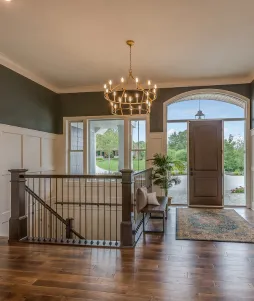
Gradual Changes
If you can still, stay away from abrupt differences with the aid of step by step moving from one variety of flooring to a different riding intermediate components or designs.
Practical Installation Tips
DIY vs Professional Installation
Deciding even if to handle setting up yourself or appoint experts is essential:
- DIY: Great for basic tasks but would require instruments and abilities. Professional Help: Recommended for complicated layouts or excessive-conclusion materials available at local ground warehouse Lexington.
Preparing Your Subfloor
A effectively-ready subfloor is significant for seamless transitions:
Ensure this is easy and level. Use underlayment wherein needed (pretty for laminate or vinyl).Using Area Rugs as Transition Tools
Area rugs may be an accurate answer for blending assorted varieties of floor seamlessly:
- They provide warmth over hard surfaces at the same time as visually connecting areas. Choose rugs that include shades from either floorings.
Lighting Considerations
The good lighting fixtures can beef up how the various surface sorts appear when mixed collectively:
- Natural faded can convey out the cosmetic in hardwood whilst highlighting textures in tile. Consider adjustable lights that let for flexibility in environment.
FAQs About Blending Different Types of Flooring
Can I combine hardwood with carpet? Yes! Just ascertain there is a clear transition area among them the usage of top trim.
What is the easiest method to mix laminate with tile? Use a matching threshold strip as a transition piece between laminate and tile places.
How do I prefer colorings that work properly together? Look at coloration swatches facet by means of edge—neutral tones aas a rule mixture neatly throughout quite a lot of parts.
Is it troublesome to install multiple varieties of floor? It is also challenging; give some thought to hiring professionals in the event you're not sure approximately DIY competencies.
Can I use location rugs on true of my carpets? While it’s you will, guarantee they may be secured right in order that they do not slip or create tripping disadvantages!
Should I be concerned approximately repairs whilst blending floors? Yes! Different material require varying care; be well prepared for additional renovation necessities headquartered in your preferences!
Conclusion
Blending various forms of ground seamlessly is an art kind that mixes exclusive type with purposeful layout standards. By working out the nuances among a number of parts—whether hardwood out of your local floors retailer Lexington or modern day vinyl planks—you can create an inviting homestead ecosystem that speaks volumes approximately your style and creativity!
Remember the secret elements mentioned throughout the time of this newsletter: contemplate colour coordination, make use of triumphant transition suggestions, remember installing processes correctly—and don’t hesitate to consult regional specialists while obligatory! Happy adorning!